Science moves forward through ideas, experiments, and data. But just as often, it advances through conversations. The fleeting discussions at a poster, the hallway chat after a talk, the shared coffee between sessions, these are the moments where questions are sharpened, connections are made, and collaborations begin. Yet for many early-career researchers, these interactions can feel elusive.
Large international conferences are indispensable for fostering scientific exchange and for connecting researchers across the globe. However, they are often expensive, crowded, and not always structured in ways that support early-career researchers or sustained regional networking. Students, postdocs, and early-stage group leaders frequently leave such meetings with pages of notes and fresh ideas, but without the network or conversations they need the most.
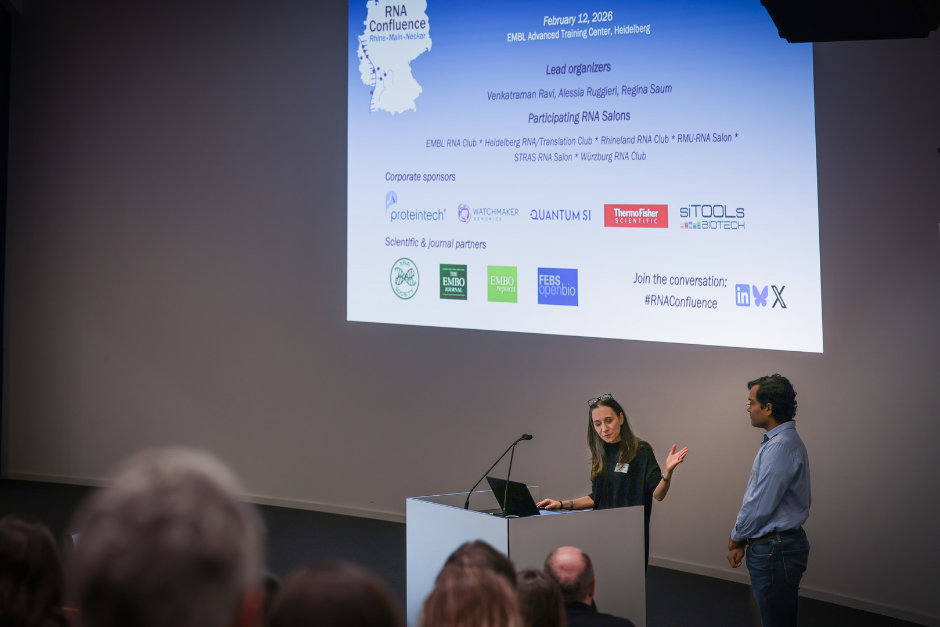
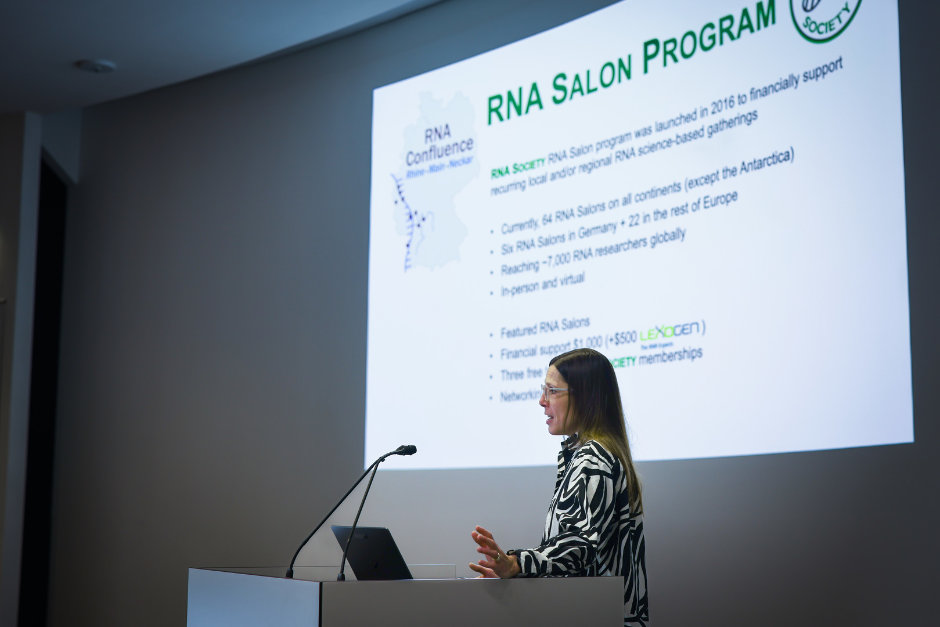
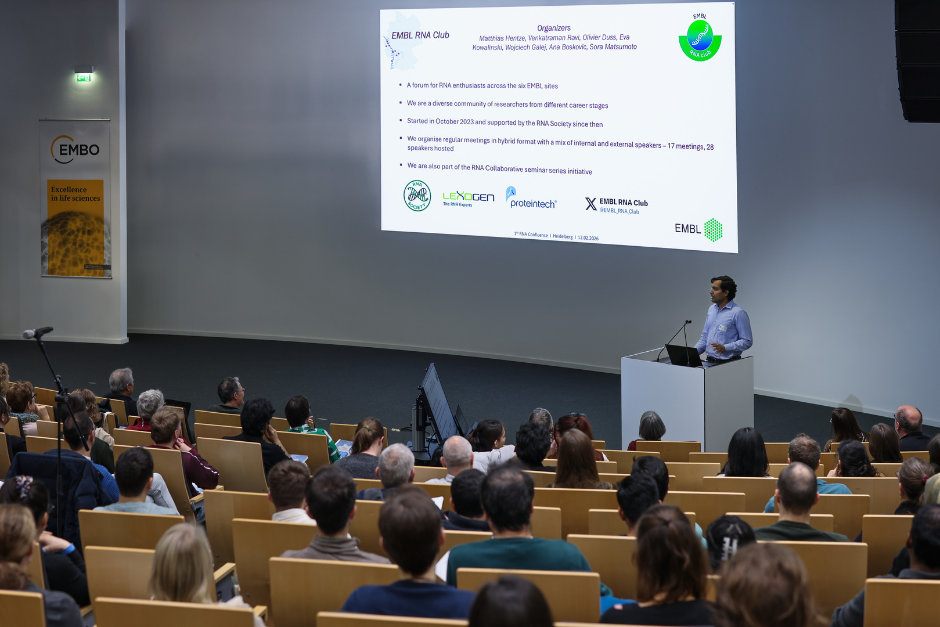
This was precisely the gap that we set out to address. In the summer of 2025, we, a group of RNA Salon organizers across Germany and France, came together to conceive a one-day meeting focussed on RNA biology. Jointly organized by the EMBL RNA Club and the Heidelberg RNA/Translation Club, in close collaboration with the Rhineland RNA Club, RMU-RNA Salon, STRAS RNA Salon, and the Würzburg RNA Club, the meeting emerged as a collective effort to strengthen regional connections along the “Rhine” and bridge subfields of RNA biology. We were also joined by two guest Salons, the All Ireland RNA Club and the Hungarian RNA Salon.
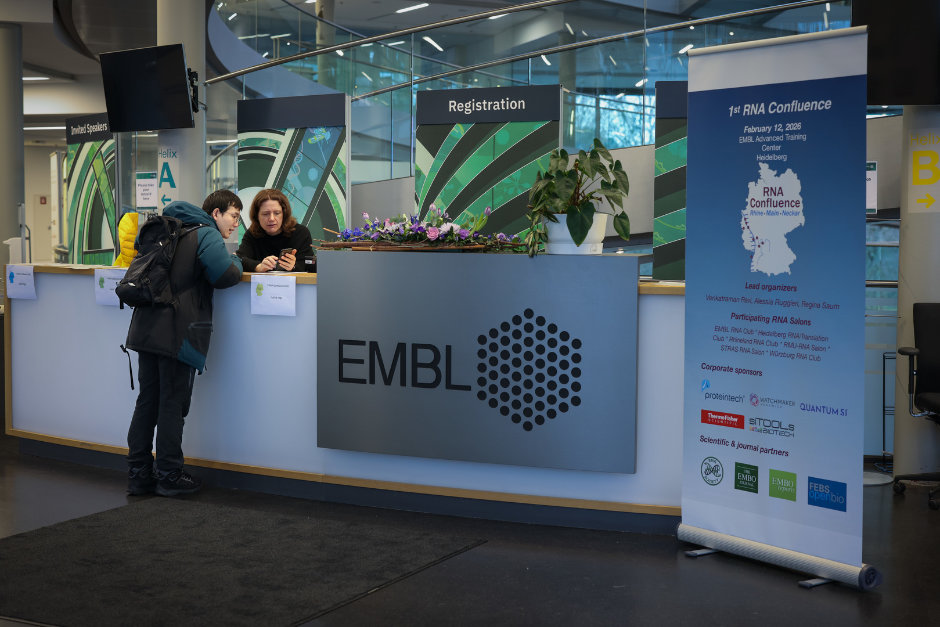
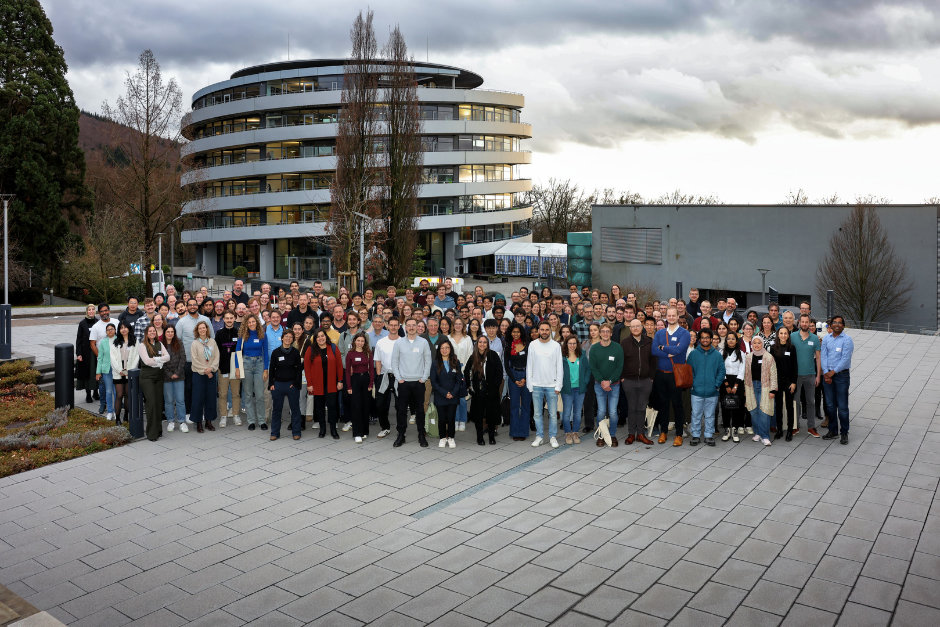
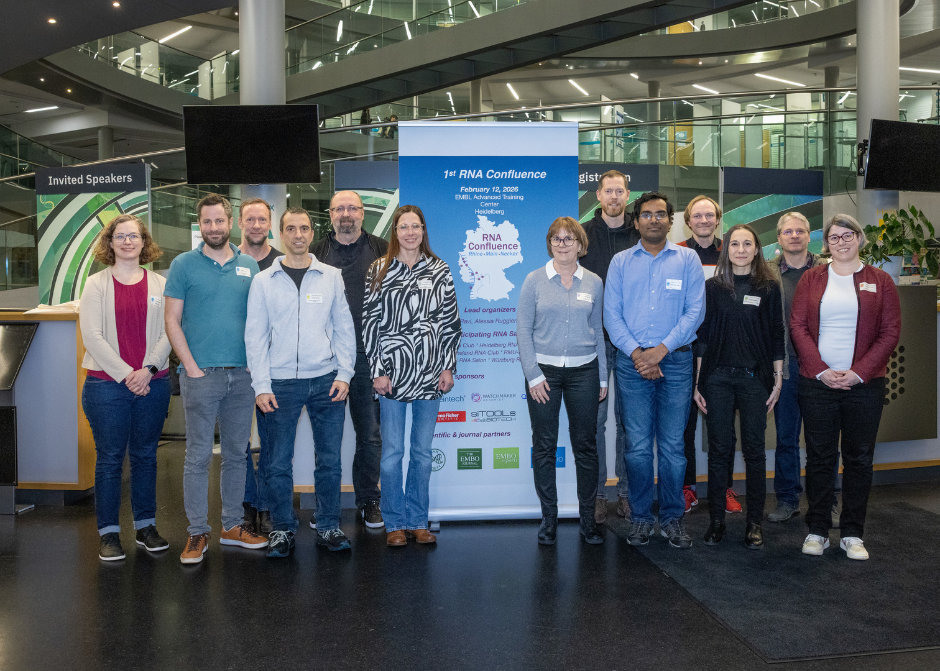
The 1st RNA Confluence took place on February 12, 2026, at the Klaus Tschira auditorium in the Advanced Training Centre at EMBL-Heidelberg, bringing together nearly 200 researchers. We kept the registration fees intentionally low, €50 for students and post-docs and €75 for group leaders, to ensure the meeting remained accessible, particularly to early-career researchers who often face limited travel and conference budgets. The approach worked beautifully well as we welcomed nearly 100 students, 50 postdocs, and 40 group leaders at the meeting.
The program was designed to place early-career researchers at the centre of the meeting. Each Salon’s organizing committee selected three talks exclusively from submissions by PhD students and postdocs, resulting in 17 high-quality oral presentations that spanned the full breadth of RNA biology, including mRNA translation, stability, modifications, RNA-protein interactions, and technological innovations shaping the field. Oral presentations were interspersed with multiple coffee breaks and a bustling, extended lunch‑and‑poster session, where more than 100 participants gathered to present and discuss their results with great energy and enthusiasm.
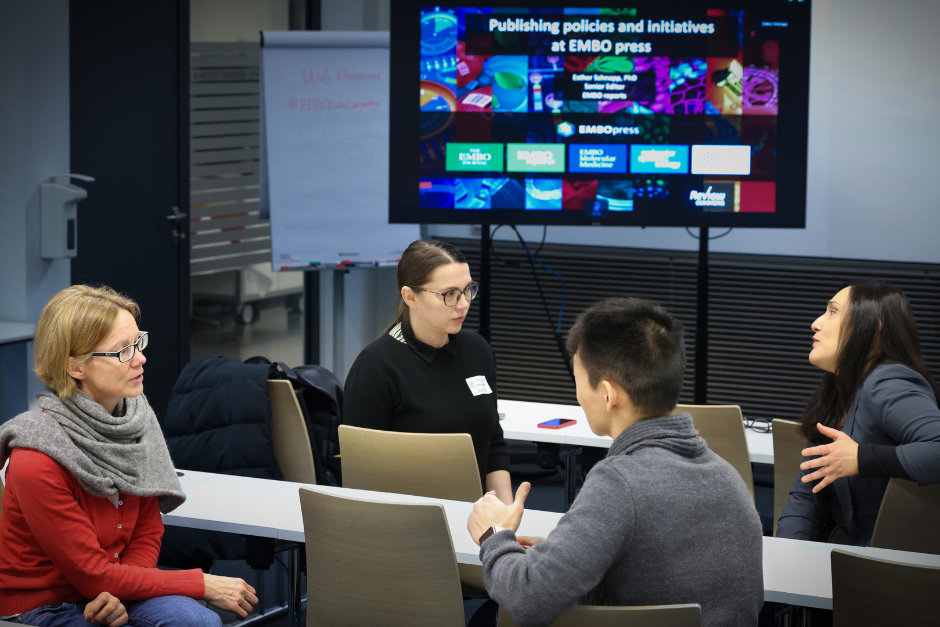
Complementing the scientific program, a dedicated “Meet the Editor” session offered attendees an opportunity to interact directly with editors from EMBO Reports, Review Commons, The FEBS Journal, and Molecular Oncology. In the evening, two prizes for the best oral presentations and seven for the best posters, generously supported by our journal partners and the RNA Society, capped the scientific program on a high note. The day concluded with an informal gathering over food and drinks, extending discussions and fostering new connections in a relaxed setting.
From organizing the 1st RNA Confluence, several operational principles emerged that may guide similar efforts in the future.
First, if the goal is genuine community building, the program should be designed around interaction density, rather than speaker prestige. Networking sessions are not add-ons, but they are central to the scientific value of the meeting. Poster sessions, in particular, emerged as the fulcrum of engagement at the RNA Confluence. Participant feedback consistently highlighted a desire for “even more” poster time, underscoring that allocating substantial time for these interactions would be a very effective way to strengthen the impact of such meetings.
Second, while a one-day format lowers logistical costs and increases attendance feasibility, especially for regional participants, we believe a slightly longer 1.5-day format would provide more scientific and networking time without overwhelming the schedule.
Third, effective community building requires growing horizontally rather than vertically. Engaging multiple local clubs or networks early created the foundation for our meeting’s success. Shared ownership not only broadened the meeting’s reach but also distributed the organizational effort.
Fourth, support from The RNA Society, alongside industry sponsors and journal partners was essential, but critically, it was leveraged to enhance accessibility by keeping low registration fees rather than inflate the scale of the meeting.
In essence, the defining strength of the RNA Confluence was its grassroots nature: a meeting that was shaped and driven by the community itself. The result, it fostered an open, interactive, and friendly scientific environment, and highlighted how community-led meetings can meaningfully empower early-career researchers while strengthening the broader scientific community. Survey responses also revealed strong enthusiasm for future editions, suggesting that the RNA Confluence has the potential to evolve into a lasting platform for regional collaboration.
As scientific communities continue to grow, there is increasing value in such mid-scale, high-engagement meetings as a complement to large conferences. We believe, the 1st RNA Confluence illustrates this vividly, providing a practical and scalable blueprint for future efforts of this kind.
RNA Confluence organizers
Venkatraman Ravi and Alessia Ruggieri
Other Featured RNA Salons
- Symposium Report: 5th Arizona RNA Symposium
- Inaugural Buffalo RNA Symposium—A Good Start
- The Hong Kong RNA Club – A new hub for RNA aficionados
- Australia’s first RNA Salon – meRNA at Monash University
- Hungarian RNA Salons
- Arizona RNA Salon Activities 2017
- The Dutch RNA Network
- Argentinean RNA Club (Club Argentino del ARN- “CAA”)
- RNA Collaborative Seminar Series